
Introduction
Minimally Invasive Surgery (MIS) and robotic-assisted procedures have transformed the field of surgery, offering safer and more precise alternatives to traditional open surgeries. With the rapid advancement of medical technology, these innovative techniques are widely adopted in India and across the globe, ensuring quicker recovery, minimal scarring, and better patient outcomes.
What is Minimally Invasive Surgery?
Minimally Invasive Surgery involves performing surgical procedures with small incisions rather than large open cuts. Surgeons use specialized tools, including cameras and robotic arms, to operate with enhanced precision. Common techniques in MIS include:
- Laparoscopic Surgery: Uses a thin tube with a camera (laparoscope) to view internal organs.
- Endoscopic Surgery: A flexible tube with a camera is inserted through natural openings like the mouth or nose.
- Arthroscopic Surgery: Used for joint-related procedures, particularly in orthopedics.
Understanding Robotic-Assisted Surgery
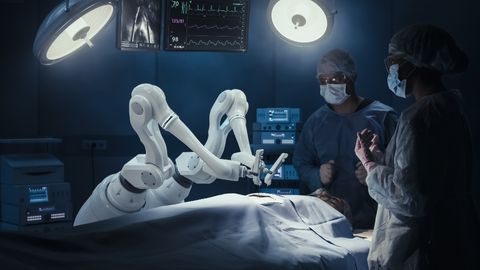
Robotic-assisted surgery is a cutting-edge approach where surgeons control robotic arms equipped with high-definition cameras and micro-instruments. The Da Vinci Surgical System is one of the most widely used robotic platforms, providing enhanced dexterity and precision for complex surgeries. Unlike traditional methods, robotic surgery allows for extreme accuracy, reducing the risk of human error.
Key Benefits of Minimally Invasive & Robotic Surgeries
Patients undergoing MIS and robotic-assisted procedures experience several advantages:
Smaller Incisions & Less Scarring – Reduces post-surgical scars and enhances cosmetic results.
Faster Recovery Time – Patients heal quicker and can return to daily activities sooner.
Lower Risk of Infection & Complications – Smaller incisions decrease exposure to bacteria and external contaminants.
Reduced Blood Loss & Pain – Less trauma to surrounding tissues results in minimal blood loss and discomfort.
Enhanced Precision & Accuracy – Robotic assistance ensures pinpoint accuracy, especially in delicate procedures.
Common Procedures Using Minimally Invasive & Robotic Techniques
General Surgery:
- Laparoscopic cholecystectomy (gallbladder removal)
- Hernia repair
- Appendectomy
Orthopedic Surgery:
- Knee and hip replacement
- Spinal decompression and fusion
- Arthroscopic ligament repair
Neurological Surgery:
- Deep brain stimulation (DBS) for Parkinson’s Disease
- Tumor removal
- Minimally invasive spine surgeries
Cardiac Surgery:
- Coronary artery bypass grafting (CABG)
- Valve repair and replacement
- Atrial septal defect (ASD) closure
Gynecological & Urological Procedures:
- Hysterectomy
- Prostatectomy for prostate cancer
- Kidney stone removal
The Future of Minimally Invasive & Robotic Surgeries
With continuous advancements in artificial intelligence (AI) and machine learning, robotic-assisted surgeries are expected to become more precise and accessible. Emerging technologies such as remote robotic surgery (telesurgery) could allow expert surgeons to operate on patients from different locations, revolutionizing global healthcare accessibility.
India is becoming a hub for robotic-assisted surgeries, with top hospitals integrating advanced surgical systems. As more surgeons receive specialized training, the adoption of these techniques will continue to expand, benefiting thousands of patients.
Robotic Surgery Cost Breakdown in India
Procedure Type Estimated Cost Range (INR)
Simple Robotic-Assisted Surgeries ₹1,50,000 – ₹5,00,000
Moderate to Complex Robotic Surgeries ₹5,00,000 – ₹11,00,000
High-End / Very Complex Robotic Procedures ₹11,00,000
Conclusion
Minimally Invasive and Robotic Surgeries represent the future of surgical care, offering unmatched precision, safety, and recovery benefits. Whether it’s a routine procedure or a complex operation, choosing MIS or robotic-assisted surgery can significantly improve patient outcomes.

Leave a Reply