
Introduction
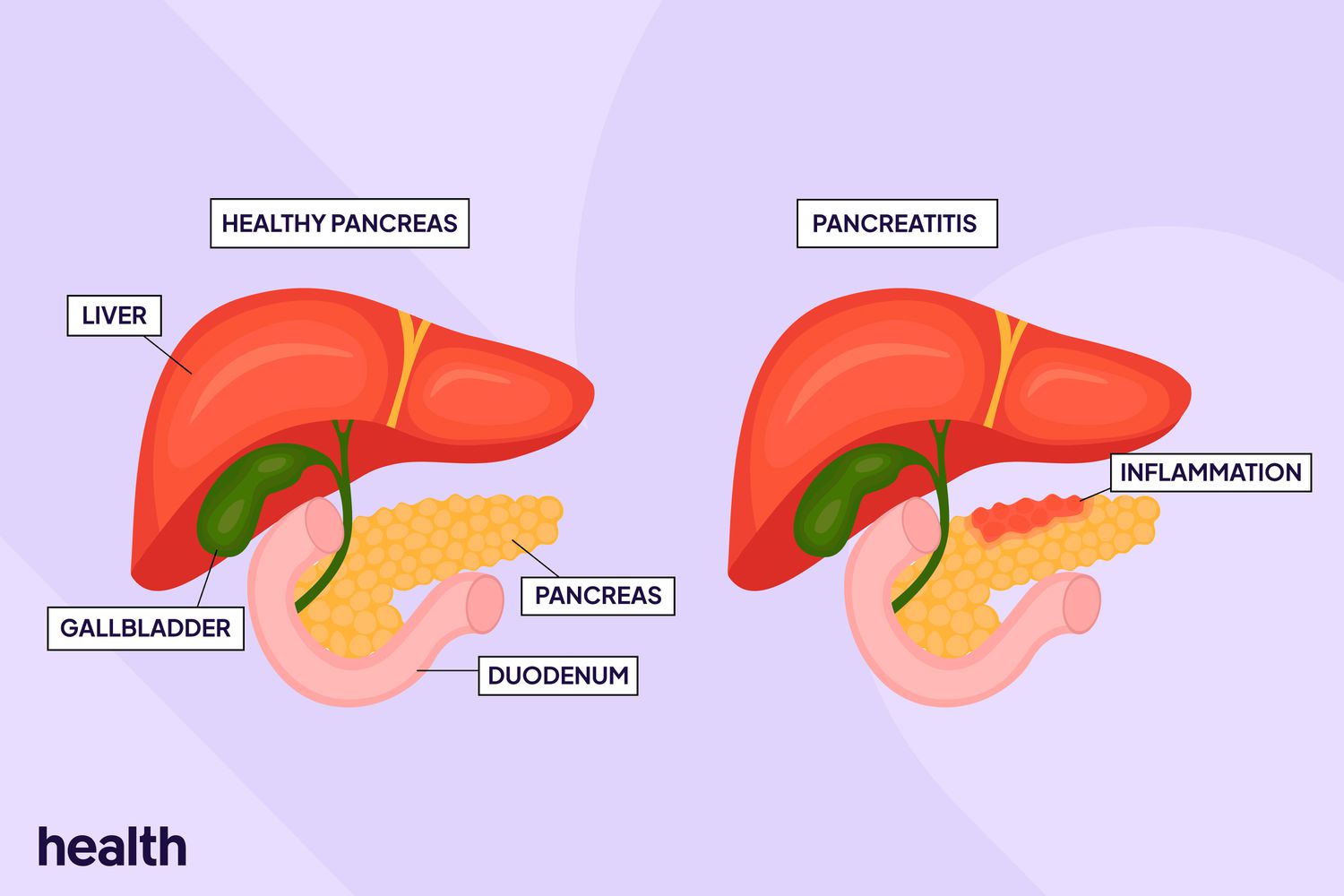
Pancreatitis is a serious medical condition that affects the pancreas, an essential organ responsible for digestion and blood sugar regulation. It occurs when the pancreas becomes inflamed, leading to severe pain and other complications. This condition can be classified into two types: Acute Pancreatitis and Chronic Pancreatitis. Understanding the causes, symptoms, treatment options, and preventive measures can help in managing this condition effectively.
What is Pancreatitis?
Pancreatitis is the inflammation of the pancreas, a gland located behind the stomach that aids in digestion and the regulation of blood sugar. The condition can be acute (sudden and short-term) or chronic (long-lasting and recurrent).
Acute Pancreatitis
Causes
- Gallstones (most common cause)
- Excessive alcohol consumption
- High levels of triglycerides
- Certain medications (e.g., corticosteroids, diuretics)
- Autoimmune diseases
- Infections (e.g., mumps, hepatitis)
- Trauma or injury to the pancreas
Symptoms
- Severe upper abdominal pain (radiating to the back)
- Nausea and vomiting
- Fever and chills
- Rapid pulse
- Swollen or tender abdomen
- Jaundice (yellowing of the skin)
Diagnosis
- Blood tests (amylase and lipase levels)
- CT scan or MRI (to detect inflammation and complications)
- Ultrasound (to check for gallstones)
Treatment
- Hospitalization for supportive care
- Fasting to rest the pancreas
- IV fluids and pain management
- Antibiotics if infection is present
- Gallbladder removal if gallstones are the cause
Chronic Pancreatitis
Causes
- Long-term alcohol abuse (leading cause)
- Repeated acute pancreatitis episodes
- Cystic fibrosis
- Genetic disorders
- Autoimmune conditions
- Obstruction in the pancreatic duct
Symptoms
- Persistent abdominal pain
- Unintended weight loss
- Oily, foul-smelling stools (steatorrhea)
- Malabsorption of nutrients
- Diabetes (due to loss of insulin-producing cells)
Diagnosis
- Endoscopic ultrasound (EUS)
- CT scan or MRI
- Secretin pancreatic function test
Treatment
- Pain management with medications
- Pancreatic enzyme supplements (to aid digestion)
- Insulin therapy (if diabetes develops)
- Surgery or stent placement (if there is a blockage)
Prevention & Lifestyle Changes
Dietary Recommendations
- Eat a low-fat diet to reduce strain on the pancreas
- Increase fiber intake from fruits and vegetables
- Avoid processed and sugary foods
- Drink plenty of water
Lifestyle Modifications
- Quit alcohol and smoking (reduces risk significantly)
- Maintain a healthy weight
- Engage in regular exercise
- Manage cholesterol and triglyceride levels
Conclusion
Pancreatitis, whether acute or chronic, is a serious condition that requires medical attention and lifestyle changes to manage effectively. Early diagnosis and treatment can help prevent complications and improve quality of life. If you experience persistent abdominal pain or digestive issues, consult a healthcare provider immediately.

Leave a Reply