
Introduction
Polycystic Ovary Syndrome (PCOS) is a common hormonal disorder affecting women of reproductive age. It is characterized by irregular menstrual cycles, excess androgen levels, and the presence of small cysts on the ovaries. PCOS can lead to complications such as infertility, diabetes, and heart disease. In this blog, we will explore the causes, symptoms, diagnosis, and treatment options for PCOS.
What is PCOS?
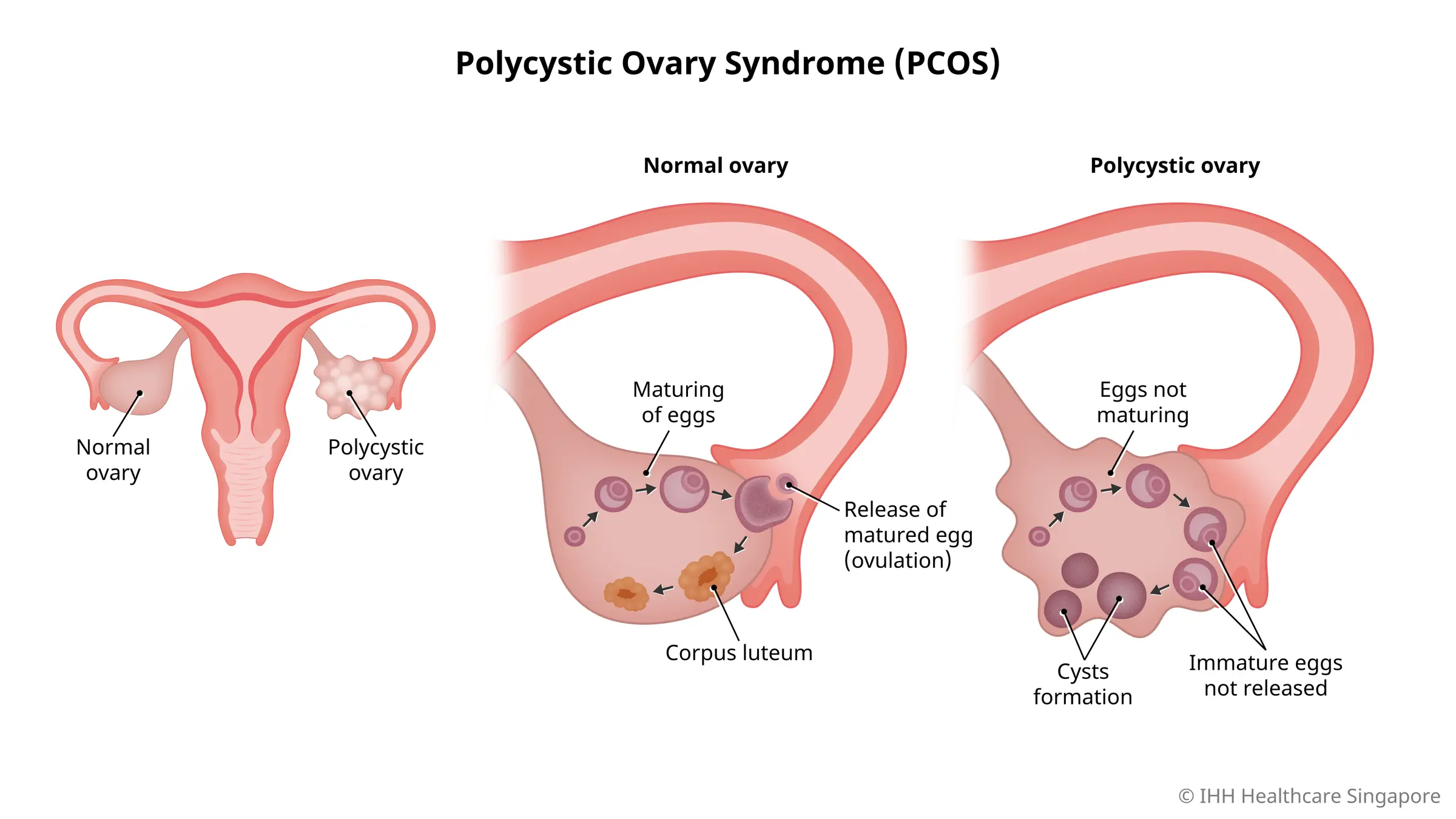
PCOS is a condition where the ovaries produce an abnormal amount of androgens, which are male hormones present in women in small amounts. This hormonal imbalance interferes with ovulation and can lead to multiple small cysts forming on the ovaries.
Causes of PCOS
Although the exact cause of PCOS is unknown, several factors contribute to its development:
- Genetics: PCOS tends to run in families, suggesting a genetic link.
- Insulin Resistance: High levels of insulin can trigger the ovaries to produce more androgens, leading to hormonal imbalances.
- Hormonal Imbalance: Excess production of androgens can disrupt normal ovulation.
- Inflammation: Increased inflammation in the body has been linked to higher androgen levels in women with PCOS.
Common Symptoms of PCOS
Women with PCOS may experience a range of symptoms, including:
- Irregular periods: Missed or infrequent menstrual cycles.
- Excess hair growth (Hirsutism): Unwanted facial and body hair due to high androgen levels.
- Acne and oily skin: Hormonal changes can cause breakouts and excessive oil production.
- Weight gain: Difficulty in losing weight and unexplained weight gain.
- Hair thinning: Male-pattern baldness or thinning hair.
- Infertility: Difficulty in conceiving due to irregular ovulation.
- Dark patches on the skin: A condition called acanthosis nigricans, which causes dark, velvety patches on the skin.
How is PCOS Diagnosed?
To diagnose PCOS, a healthcare provider may use the following methods:
- Medical History: Assessing symptoms, menstrual cycle, and family history.
- Physical Examination: Checking for physical signs such as excessive hair growth and acne.
- Blood Tests: Measuring hormone levels, insulin resistance, and cholesterol levels.
- Ultrasound: Examining the ovaries for cysts and checking the thickness of the uterine lining.
Treatment Options for PCOS
There is no cure for PCOS, but symptoms can be managed through lifestyle changes, medications, and alternative therapies.
1. Lifestyle Changes
- Healthy Diet: Eating a balanced diet rich in fruits, vegetables, lean proteins, and whole grains can help regulate hormones.
- Regular Exercise: Physical activity helps improve insulin sensitivity and supports weight management.
- Weight Management: Losing even a small amount of weight can help regulate menstrual cycles and reduce symptoms.
2. Medications
- Birth Control Pills: These help regulate menstrual cycles and reduce androgen levels.
- Metformin: Often used for insulin resistance, it helps lower blood sugar levels.
- Anti-Androgen Medications: These reduce excessive hair growth and acne.
- Fertility Medications: Clomiphene and letrozole can help stimulate ovulation in women trying to conceive.
3. Natural Remedies and Alternative Therapies
- Herbal Supplements: Some women find relief from symptoms with spearmint tea, inositol, and cinnamon.
- Acupuncture: May help regulate hormone levels and improve ovulation.
- Stress Management: Yoga and meditation can help balance hormones and reduce inflammation.
PCOS and Fertility
PCOS is one of the leading causes of infertility, but with proper management, many women can conceive naturally or with medical assistance. Lifestyle changes, medications, and assisted reproductive technologies such as in vitro fertilization (IVF) can improve chances of pregnancy.
Conclusion
Polycystic Ovary Syndrome (PCOS) is a complex condition that affects many aspects of a woman’s health. While there is no cure, early diagnosis and management through lifestyle changes, medications, and alternative therapies can help control symptoms and prevent complications. If you suspect you have PCOS, consult a healthcare provider for proper diagnosis and treatment.

Leave a Reply