
Introduction
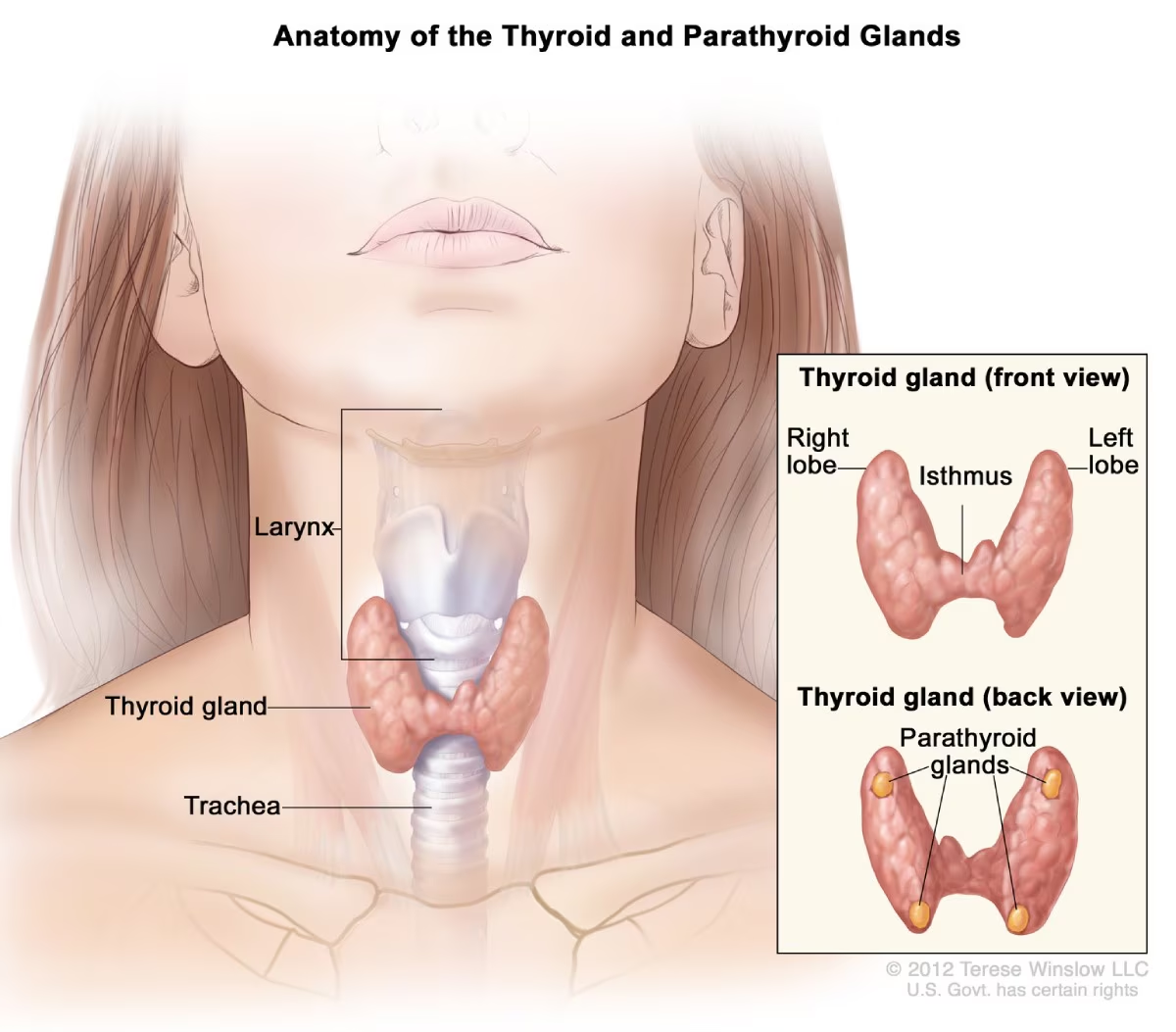
The parathyroid glands, located near the thyroid gland in the neck, play a crucial role in regulating calcium levels in the body. When these glands function abnormally, it can lead to two distinct conditions: Hyperparathyroidism and Hypoparathyroidism. Both disorders affect calcium metabolism but in opposite ways. This article explores their causes, symptoms, diagnosis, and treatment options.
What is Hyperparathyroidism?
Hyperparathyroidism occurs when one or more of the parathyroid glands become overactive, leading to excessive production of parathyroid hormone (PTH). This results in high calcium levels in the blood, a condition known as hypercalcemia.
Causes of Hyperparathyroidism
Hyperparathyroidism can be classified into three types based on its cause:
- Primary Hyperparathyroidism – Caused by a benign tumor (adenoma) on one of the parathyroid glands, hyperplasia, or, rarely, cancer.
- Secondary Hyperparathyroidism – Occurs due to chronic conditions like kidney disease or vitamin D deficiency that lead to low calcium levels, prompting excess PTH production.
- Tertiary Hyperparathyroidism – Often seen in long-term dialysis patients, where the parathyroid glands become permanently overactive.
Symptoms of Hyperparathyroidism
- Bone pain and fragility (osteoporosis)
- Kidney stones
- Fatigue and weakness
- Increased thirst and frequent urination
- Depression or mood changes
- Nausea, vomiting, and abdominal pain
Diagnosis of Hyperparathyroidism
Doctors diagnose hyperparathyroidism through:
- Blood tests measuring calcium and PTH levels
- Bone density scans (DEXA scan)
- Kidney ultrasound or CT scans to detect kidney stones
- Sestamibi scans to identify overactive parathyroid glands
Treatment for Hyperparathyroidism
- Surgery (Parathyroidectomy) – The most effective treatment, especially for primary hyperparathyroidism.
- Medication – Calcimimetics may be prescribed to control PTH levels in some cases.
- Lifestyle Changes – Increasing hydration and calcium monitoring are essential for managing mild cases.
What is Hypoparathyroidism?
Hypoparathyroidism occurs when the parathyroid glands produce too little PTH, leading to hypocalcemia (low calcium levels) and increased phosphorus levels in the blood.
Causes of Hypoparathyroidism
- Surgical Removal or Damage – Commonly occurs after thyroid or neck surgery.
- Autoimmune Disorders – The body mistakenly attacks the parathyroid glands.
- Genetic Disorders – Some people inherit conditions that cause underactive parathyroid glands.
- Magnesium Deficiency – Magnesium is crucial for PTH secretion; its deficiency can suppress hormone production.
Symptoms of Hypoparathyroidism
- Muscle cramps and spasms (tetany)
- Tingling or numbness in hands, feet, and face
- Fatigue and weakness
- Seizures in severe cases
- Dry skin, brittle nails, and hair thinning
- Mood disorders like anxiety or depression
Diagnosis of Hypoparathyroidism
Doctors diagnose hypoparathyroidism by:
- Measuring calcium, phosphorus, and PTH levels in the blood
- Conducting urine tests to check calcium excretion
- Evaluating magnesium levels
Treatment for Hypoparathyroidism
- Calcium and Vitamin D Supplements – Essential for maintaining normal calcium levels.
- Recombinant PTH Therapy – Used in severe or chronic cases.
- Dietary Adjustments – Increasing intake of calcium-rich foods and magnesium.
- Regular Monitoring – Routine blood tests to ensure proper calcium balance.
Conclusion
Both Hyperparathyroidism and Hypoparathyroidism impact calcium balance and overall health. Early diagnosis and proper management are essential to prevent complications like osteoporosis, kidney stones, or muscle spasms. If you experience any related symptoms, consult a healthcare professional for appropriate testing and treatment.

Leave a Reply