
Introduction
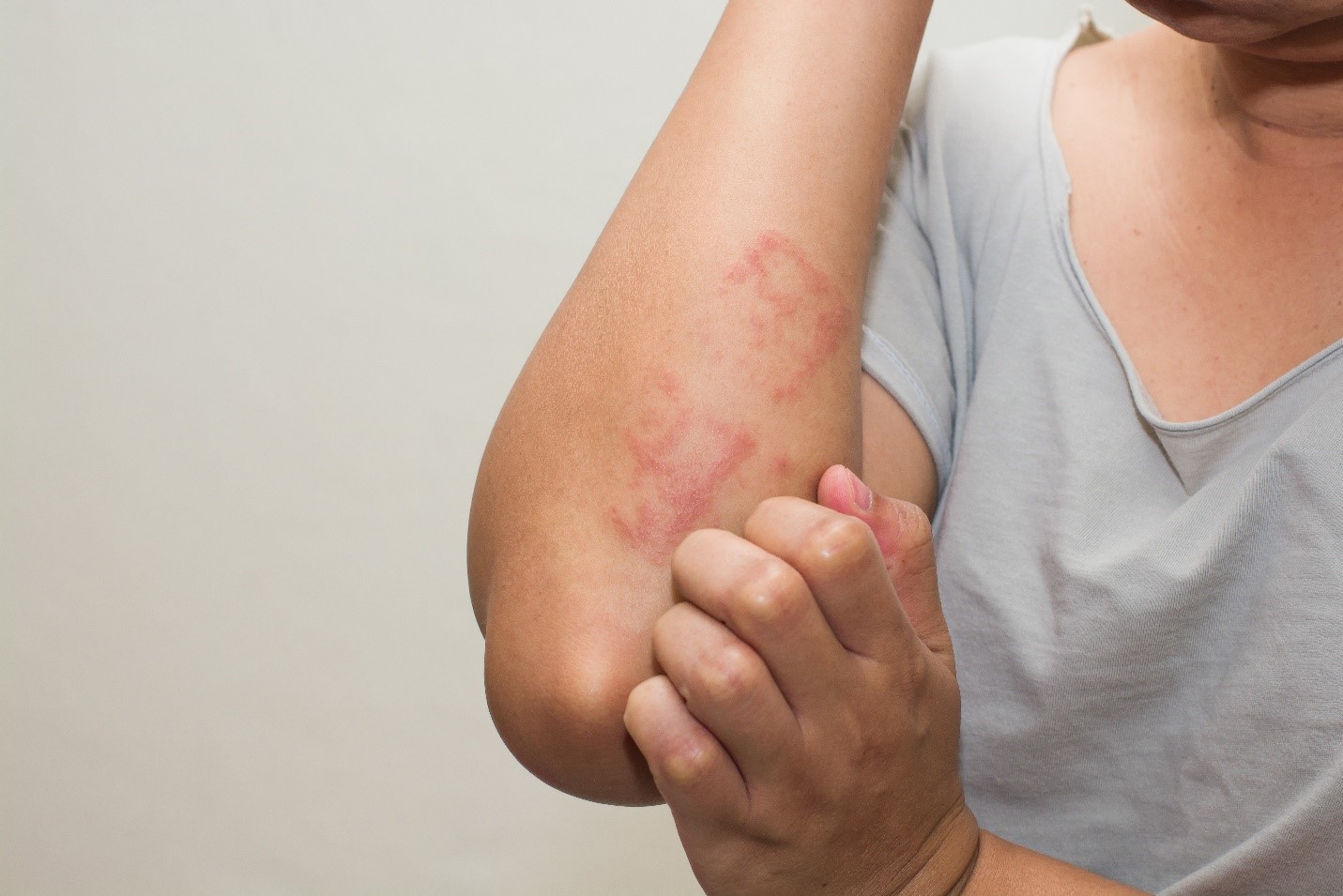
Urticaria, commonly known as hives, is a skin condition characterized by red, itchy, and swollen welts. It can occur due to allergic reactions, infections, or other underlying health issues. Hives can be acute or chronic, impacting the quality of life of affected individuals. Understanding its causes, symptoms, and treatment options can help manage the condition effectively.
What is Urticaria (Hives)?
Urticaria is a skin reaction that results in raised, itchy welts that can vary in size and shape. These welts appear suddenly and may disappear within hours or last for weeks. The condition can be classified into:
- Acute Urticaria – Lasts less than six weeks.
- Chronic Urticaria – Persists for more than six weeks and may be linked to an underlying condition.
- Physical Urticaria – Triggered by external factors such as pressure, heat, cold, sunlight, or vibration.
Causes of Urticaria
Urticaria can be triggered by various factors, including:
- Allergic Reactions – Common allergens like pollen, pet dander, insect stings, or certain foods (e.g., nuts, shellfish, dairy) can cause hives.
- Medications – Antibiotics, NSAIDs, and pain relievers like aspirin can trigger urticaria.
- Infections – Viral infections like the common cold, hepatitis, or bacterial infections can lead to hives.
- Stress and Emotional Triggers – Anxiety and high stress levels can contribute to outbreaks.
- Autoimmune Disorders – Conditions like lupus or thyroid disease may be associated with chronic urticaria.
- Environmental Factors – Exposure to extreme temperatures, sunlight, or water can trigger physical urticaria.
Symptoms of Urticaria
The primary symptoms of urticaria include:
- Raised, red, or skin-colored welts that appear suddenly.
- Intense itching, which may worsen with heat or scratching.
- Swelling of the affected area, sometimes extending to the lips, eyelids, or throat (angioedema).
- Hives that change shape and move across different areas of the body.
- Burning or stinging sensation in severe cases.
Diagnosis of Urticaria
Doctors diagnose urticaria through:
- Physical Examination – Evaluating the skin condition and medical history.
- Allergy Tests – Skin prick tests or blood tests to identify specific allergens.
- Elimination Diet – Avoiding suspected foods or triggers to determine the cause.
- Blood Tests – Checking for infections or autoimmune diseases.
Treatment Options for Urticaria
1. Medications
- Antihistamines – First-line treatment to relieve itching and swelling.
- Corticosteroids – Used for severe cases but not recommended for long-term use.
- Epinephrine (EpiPen) – Required in cases of anaphylaxis.
- Biologic Therapy – Omalizumab (Xolair) is used for chronic urticaria unresponsive to antihistamines.
2. Home Remedies and Lifestyle Changes
- Cold Compress – Applying a cold pack can reduce itching and swelling.
- Avoiding Triggers – Identifying and avoiding allergens or irritants.
- Stress Management – Practicing yoga, meditation, and relaxation techniques.
- Wearing Loose Clothing – Prevents irritation and worsening of symptoms.
Prevention of Urticaria
- Identify and Avoid Triggers – Keep a diary to track potential allergens.
- Maintain a Healthy Diet – Avoid processed foods and common allergens.
- Stay Hydrated – Drinking plenty of water helps flush out toxins.
- Regular Exercise – Enhances immune function and reduces stress-related outbreaks.
Conclusion
Urticaria (hives) is a common yet uncomfortable skin condition that can be managed with proper care and treatment. Identifying triggers, taking medications, and making lifestyle adjustments can help alleviate symptoms and prevent future outbreaks. If symptoms persist or worsen, consulting a healthcare professional is essential for appropriate treatment.

Leave a Reply