
Introduction
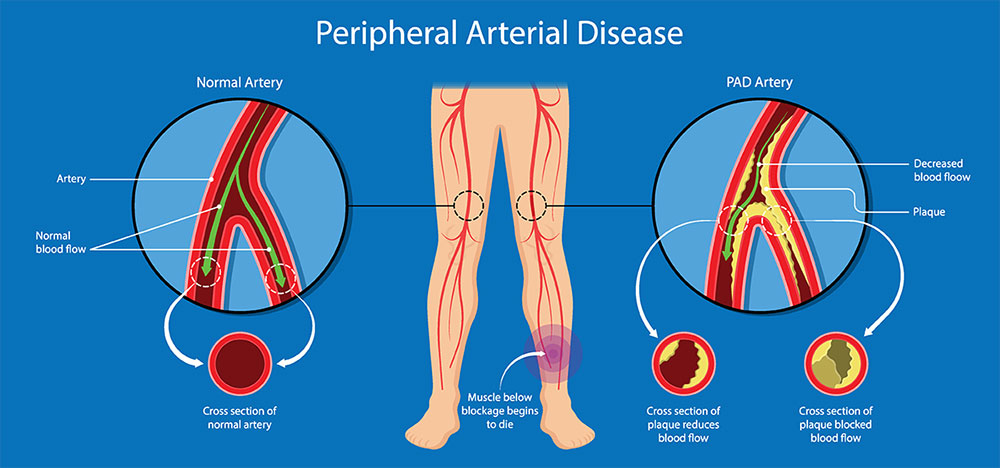
Peripheral Artery Disease (PAD) is a common yet serious circulatory condition that affects millions of people worldwide. It occurs when the arteries that supply blood to the limbs, primarily the legs, become narrowed or blocked due to plaque buildup. This reduces blood flow and can lead to severe complications if left untreated. In this article, we will explore the causes, symptoms, diagnosis, treatment options, and preventive measures for PAD.
What is Peripheral Artery Disease (PAD)?
Peripheral Artery Disease (PAD) is a condition characterized by the narrowing or blockage of arteries outside the heart, most commonly in the legs. This occurs due to atherosclerosis, where fatty deposits (plaques) build up inside the artery walls, restricting blood circulation.
Causes of Peripheral Artery Disease
The primary cause of PAD is atherosclerosis, but several risk factors contribute to its development, including:
- Smoking – The leading risk factor that damages the arteries and accelerates plaque buildup.
- Diabetes – High blood sugar levels contribute to arterial damage and increase the risk of PAD.
- High Blood Pressure (Hypertension) – Increased pressure on the arterial walls leads to damage and narrowing.
- High Cholesterol – Excess LDL cholesterol can contribute to plaque formation.
- Obesity – Excess weight increases strain on the circulatory system.
- Lack of Physical Activity – Sedentary lifestyle worsens circulation and overall vascular health.
- Age & Family History – Individuals over 50 or those with a family history of vascular disease are at higher risk.
Symptoms of Peripheral Artery Disease
Many people with PAD may not experience symptoms in the early stages. However, as the condition progresses, common symptoms include:
- Leg Pain & Cramping (Claudication) – Pain, aching, or cramping in the legs, especially during physical activity.
- Numbness or Weakness – Reduced blood flow can lead to numbness or weakness in the limbs.
- Cold Sensation in the Legs or Feet – Poor circulation can make limbs feel cold.
- Slow-Healing Wounds – Cuts or sores on the feet and legs that take longer to heal.
- Discoloration of the Skin – A bluish or pale appearance due to restricted blood flow.
- Weak or Absent Pulse in the Legs or Feet – Indicating severe blockage in the arteries.
How is PAD Diagnosed?
Diagnosing PAD involves a combination of medical history, physical examination, and specialized tests:
- Ankle-Brachial Index (ABI) – A simple test comparing blood pressure in the ankle and arm to assess blood flow.
- Doppler Ultrasound – Uses sound waves to evaluate blood circulation in the arteries.
- Angiography – Imaging test (CT or MRI) that provides detailed visuals of blocked arteries.
- Blood Tests – To check cholesterol, blood sugar, and other risk factors contributing to PAD.
Treatment Options for Peripheral Artery Disease
Treatment for PAD focuses on improving blood circulation, relieving symptoms, and preventing complications. The following approaches are commonly recommended:
Lifestyle Changes
- Quit Smoking – One of the most effective ways to slow PAD progression.
- Regular Exercise – Walking and leg exercises improve circulation and reduce symptoms.
- Healthy Diet – A heart-healthy diet low in saturated fats and high in fiber helps reduce cholesterol levels.
- Weight Management – Maintaining a healthy weight lowers the risk of PAD-related complications.
Medications
- Cholesterol-lowering drugs (Statins) – To reduce plaque buildup in the arteries.
- Blood Pressure Medications – To manage hypertension and protect arterial health.
- Blood Thinners (Antiplatelet Drugs) – To prevent blood clots and improve circulation.
- Medications for Leg Pain – Certain drugs like cilostazol improve blood flow and reduce pain during walking.
Medical Procedures & Surgery
For severe cases of PAD, medical interventions may be necessary:
- Angioplasty & Stenting – A minimally invasive procedure to open blocked arteries using a balloon and stent.
- Bypass Surgery – Creating a new pathway for blood flow using a graft to bypass the blocked artery.
- Atherectomy – A procedure to remove plaque buildup from the artery walls.
Preventive Measures for PAD
Preventing PAD involves adopting a heart-healthy lifestyle to reduce risk factors:
- Quit Smoking – The most important step in preventing vascular disease.
- Exercise Regularly – At least 30 minutes of moderate exercise most days of the week.
- Maintain a Healthy Diet – Focus on whole grains, fruits, vegetables, and lean proteins.
- Manage Blood Pressure & Cholesterol – Regular health check-ups and appropriate medication if needed.
- Control Diabetes – Keep blood sugar levels in check through diet, exercise, and medications.
Conclusion
Peripheral Artery Disease (PAD) is a serious but manageable condition when diagnosed early and treated appropriately. Lifestyle changes, medications, and medical interventions can significantly improve symptoms and prevent complications. If you experience persistent leg pain, numbness, or slow-healing wounds, consult a doctor for proper diagnosis and treatment.

Leave a Reply